God bestowed on man the capacity to help the living beings. It is not only our capability but it is our responsibility too. Helping others is what makes us truely human . If one bird gets trapped, many birds flock around it and attract the attention of others so that the trapped bird may be released and saved.
Need Any Help? Or Looking For an Agent

    Working Hours : Sun-monday, 09am-5pm
    Copyright © 2024 mygoldengoal. All Rights Reserved.

    God bestowed on man the capacity to help the living beings. It is not only our capability but it is our responsibility too. Helping others is what makes us truely human . If one bird gets trapped, many birds flock around it and attract the attention of others so that the trapped bird may be released and saved.
    Need Any Help? Or Looking For an Agent

      Working Hours : Sun-monday, 09am-5pm
      Copyright © 2024 mygoldengoal. All Rights Reserved.
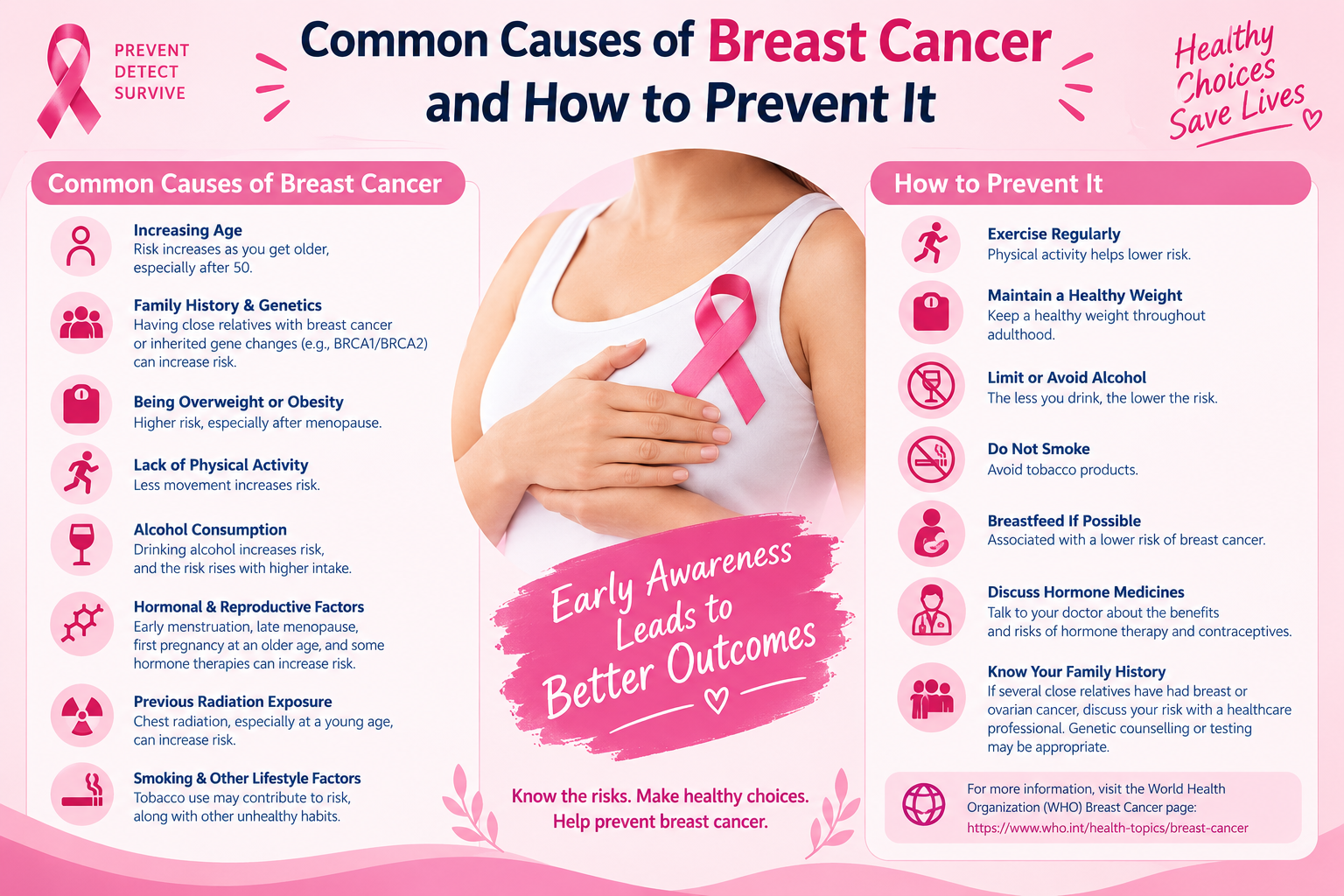
      Breast cancer is one of the most common cancers worldwide. Detecting it early greatly improves the chances of successful treatment. While only a healthcare professional can diagnose cancer, knowing what to look for and which screening methods exist can help people seek medical advice promptly.

      1. Know Your Body: Breast Self-Awareness

      Being familiar with how your breasts normally look and feel makes it easier to notice changes. You don’t need to follow a rigid routine—just pay attention over time.

      https://kumaranmedical.com/wp-content/uploads/2025/01/img-01%403x-926x1024.png
      https://www.mydoorsign.com/img/lg/T/bse-hangtag-tg-1500.png
      https://images.ctfassets.net/zzorm7zihro2/c20404b5-6c15-4fc6-96a9-8c0b06e50849/8a38de3a841f847d70840aa4664589b8/6001-BSE-layered.pngChanges to watch for include:
      • A new lump or thickened area

      • Changes in breast size or shape

      • Dimpling, puckering, or redness of the skin

      • Nipple changes (turning inward, discharge not related to breastfeeding)

      • Persistent pain in one area

      Most breast changes are not cancer, but any new or unusual change should be checked by a doctor.


      2. Clinical Breast Exams

      A clinical breast exam is performed by a trained healthcare provider who checks the breasts and underarm areas for abnormalities. This exam is often part of a routine health visit and can help identify changes that need further testing.


      3. Screening Tests

      Screening looks for cancer before symptoms appear. The type and timing of screening depend on age, risk factors, and medical advice.

      https://my.clevelandclinic.org/-/scassets/images/org/health/articles/4877-mammogram-illustration
      https://radiologyassistant.nl/assets/tab-breast3-1594724107.jpg
      https://marketing.webassets.siemens-healthineers.com/1800000007119289/6120dde87c13/v/282815a8b9a5/mri-clinical-specialities-breast-mri-overview-breast-image_16x9_1800000007119289.jpg

      Common screening tools include:

      • Mammogram: An X-ray of the breast that can detect tumors too small to feel.

      • Ultrasound: Uses sound waves to examine areas of concern, often used alongside mammograms.

      • MRI: Produces detailed images and is usually reserved for people at higher risk.

      A healthcare provider can recommend which test is appropriate and when.


      4. Understanding Risk Factors

      Some factors can increase the risk of breast cancer, such as:

      • Family history of breast or ovarian cancer

      • Certain genetic mutations

      • Hormonal factors

      • Lifestyle factors (such as physical inactivity)

      Having risk factors does not mean someone will get cancer, and many people diagnosed have no known risk factors.


      5. When to See a Doctor

      It’s important to seek medical advice if you notice:

      • A new lump that doesn’t go away

      • Skin or nipple changes

      • Ongoing breast pain or discomfort

      • Any change that feels unusual for you

      Prompt evaluation helps rule out problems or start treatment early if needed.


      Conclusion

      Detecting breast cancer early involves self-awareness, regular health checkups, and appropriate screening. Staying informed and paying attention to changes can make a real difference. If something doesn’t feel right, it’s always okay—and wise—to ask a healthcare professional for guidance.

      Posted in
      Health

      Post a comment

      Your email address will not be published.