The Alarming Rise of Breast Cancer in Nigeria
Breast cancer is rapidly becoming one of the most pressing health concerns in Nigeria, with increasing numbers of women being diagnosed every year. According to recent statistics, breast cancer now ranks as the most common cancer affecting women in the country, contributing significantly to cancer-related deaths. While advances in medical science have improved global survival rates, Nigeria faces unique challenges that exacerbate the burden of this disease, with limited awareness among its citizens standing out as a critical issue.
The Rising Incidence of Breast Cancer in Nigeria
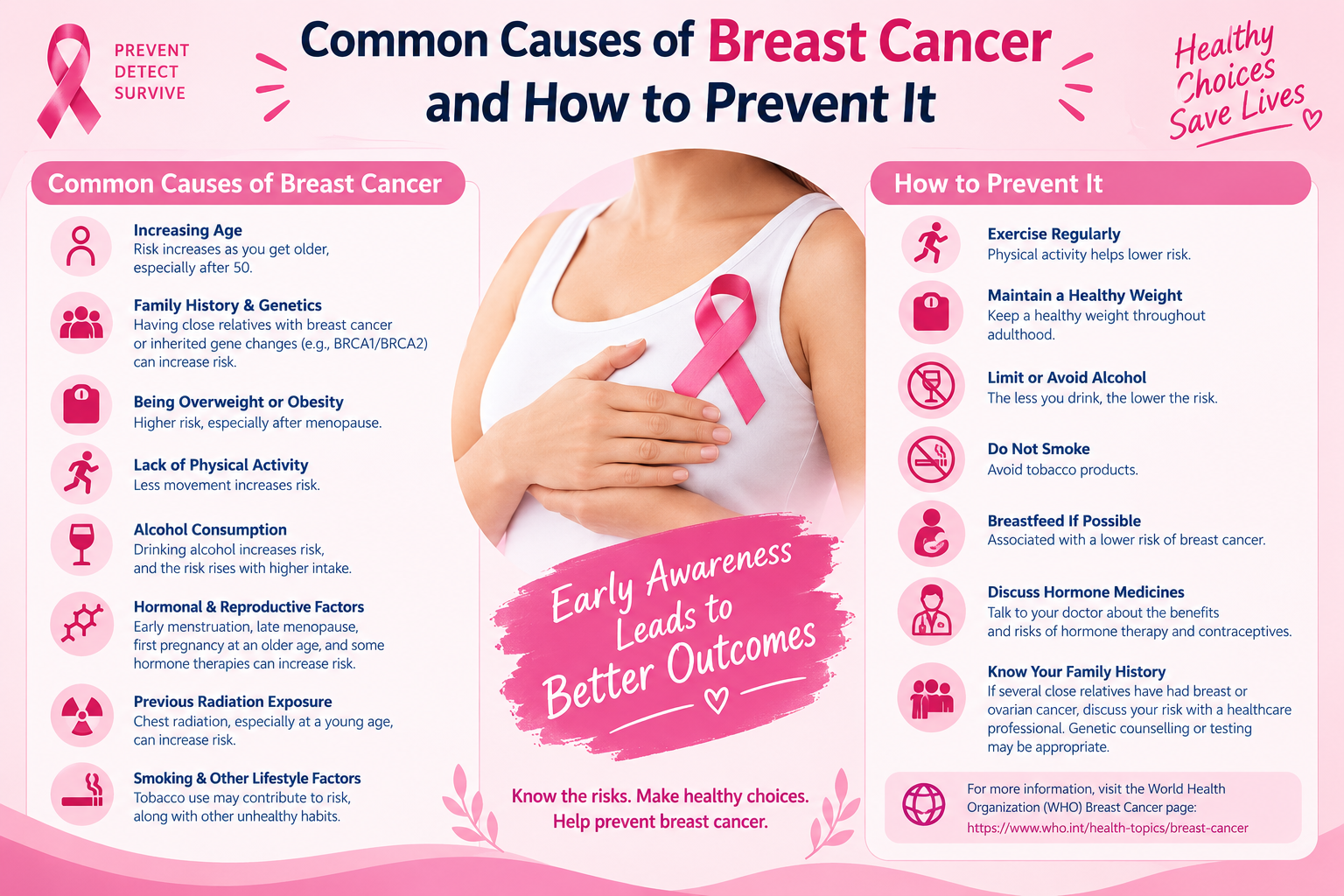
The increase in breast cancer cases in Nigeria is alarming. Factors contributing to this surge include changes in lifestyle, urbanization, delayed childbirth, and genetic predisposition. Additionally, limited access to routine screenings and diagnostic facilities means that many cases are detected late, significantly reducing survival chances.
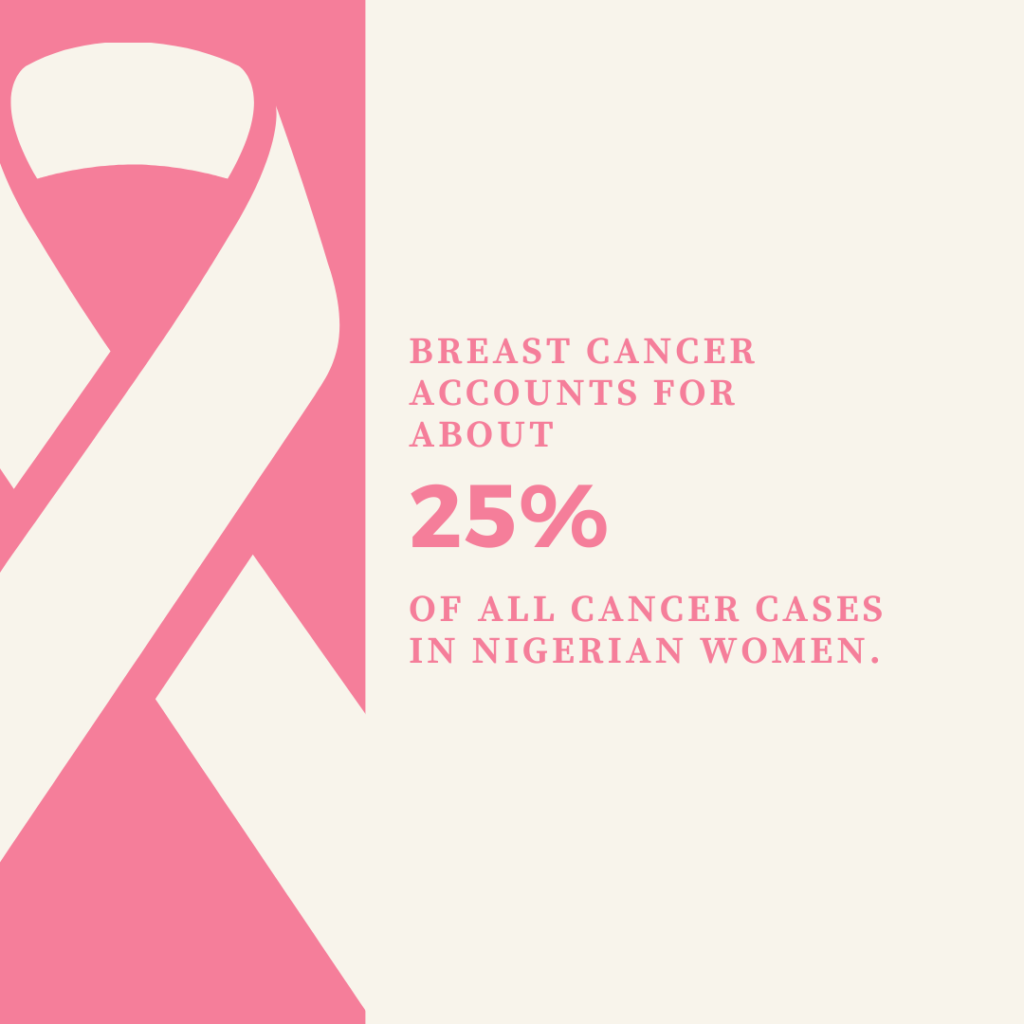
The World Health Organization (WHO) estimates that breast cancer accounts for about 25% of all cancer cases in Nigerian women. Alarmingly, more than 70% of these cases are diagnosed in late stages (stage III or IV), where treatment options are limited, more invasive, and often less successful.
Awareness: The Missing Link
Despite the rising prevalence, awareness about breast cancer remains shockingly low in Nigeria. For many, breast cancer is shrouded in myths, misconceptions, and cultural stigmas that prevent early detection and treatment.
Key Awareness Challenges in Nigeria
- Limited Knowledge of Symptoms
Many Nigerian women are unaware of the early warning signs of breast cancer, such as lumps, skin changes, or unusual discharge. This lack of knowledge often delays visits to healthcare providers until symptoms become severe.
- Cultural and Religious Beliefs
In some communities, breast cancer is seen as a spiritual affliction rather than a medical condition. This belief discourages individuals from seeking medical help, opting instead for spiritual remedies.
- Low Priority on Preventative Healthcare
Preventative health measures like mammograms and self-examinations are not widely practiced or discussed in Nigeria. The absence of widespread screening programs further complicates early detection.
- Stigma and Fear
Women diagnosed with breast cancer often face societal stigma, which discourages open conversations about the disease. Fear of disfigurement, such as mastectomy, also deters many from seeking medical intervention.
The Cost of Late Detection
Late-stage diagnosis remains a significant barrier to effective treatment. By the time many Nigerian women seek medical attention, the cancer has often metastasized, requiring more aggressive treatments that are not only expensive but also less likely to succeed.
The financial burden of breast cancer treatment is another major issue. With a significant portion of the population living below the poverty line, the cost of chemotherapy, surgery, and radiation therapy is out of reach for many. This financial strain, coupled with inadequate healthcare infrastructure, compounds the challenges.
What Can Be Done?
1. Nationwide Awareness Campaigns
Government agencies, non-governmental organizations, and healthcare providers must collaborate to educate citizens about breast cancer. Campaigns should focus on:
- Recognizing early symptoms.
- The importance of self-breast exams and regular check-ups.
- Dispelling myths and cultural misconceptions.
2. Accessible Screening Programs
Making mammograms and other screening tools affordable and accessible across Nigeria, especially in rural areas, is essential. Mobile clinics and community outreach programs can play a pivotal role in bringing healthcare closer to underserved populations.
3. Leveraging Media and Technology
Television, radio, and social media platforms can be powerful tools for spreading awareness. Programs in local languages can ensure that messages reach even the most remote communities.
4. Strengthening Healthcare Systems
Nigeria must invest in improving its healthcare infrastructure to provide affordable, high-quality cancer care. Training healthcare workers and equipping facilities with modern diagnostic and treatment technologies will be critical in tackling the disease effectively.
A Call to Action
The rising cases of breast cancer in Nigeria underscore the urgent need for a collective response. While medical interventions are crucial, awareness remains the first line of defense. Educating women about the disease, encouraging early detection, and dispelling harmful myths can save countless lives.
Organizations like GOAL and others working to improve breast cancer awareness in rural communities are vital to this mission. Their grassroots campaigns and health initiatives are crucial steps toward empowering women to take charge of their health.
Breast cancer is not a death sentence—especially when detected early. By bridging the awareness gap and prioritizing preventative care, Nigeria can turn the tide on this deadly disease. The time to act is now.
Support our cause to raise awareness and aid to breast cancer sufferers in Nigeria by donating via the button below.
Donate


The Alarming Rise of Breast Cancer in Nigeria
Breast cancer is rapidly becoming one of the most pressing health concerns in Nigeria, with increasing numbers of women being diagnosed every year. According to recent statistics, breast cancer now ranks as the most common cancer affecting women in the country, contributing significantly to cancer-related deaths. While advances in medical science have improved global survival rates, Nigeria faces unique challenges that exacerbate the burden of this disease, with limited awareness among its citizens standing out as a critical issue.
The Rising Incidence of Breast Cancer in Nigeria
The increase in breast cancer cases in Nigeria is alarming. Factors contributing to this surge include changes in lifestyle, urbanization, delayed childbirth, and genetic predisposition. Additionally, limited access to routine screenings and diagnostic facilities means that many cases are detected late, significantly reducing survival chances.
The World Health Organization (WHO) estimates that breast cancer accounts for about 25% of all cancer cases in Nigerian women. Alarmingly, more than 70% of these cases are diagnosed in late stages (stage III or IV), where treatment options are limited, more invasive, and often less successful.
Awareness: The Missing Link
Despite the rising prevalence, awareness about breast cancer remains shockingly low in Nigeria. For many, breast cancer is shrouded in myths, misconceptions, and cultural stigmas that prevent early detection and treatment.
Key Awareness Challenges in Nigeria
Many Nigerian women are unaware of the early warning signs of breast cancer, such as lumps, skin changes, or unusual discharge. This lack of knowledge often delays visits to healthcare providers until symptoms become severe.
In some communities, breast cancer is seen as a spiritual affliction rather than a medical condition. This belief discourages individuals from seeking medical help, opting instead for spiritual remedies.
Preventative health measures like mammograms and self-examinations are not widely practiced or discussed in Nigeria. The absence of widespread screening programs further complicates early detection.
Women diagnosed with breast cancer often face societal stigma, which discourages open conversations about the disease. Fear of disfigurement, such as mastectomy, also deters many from seeking medical intervention.
The Cost of Late Detection
Late-stage diagnosis remains a significant barrier to effective treatment. By the time many Nigerian women seek medical attention, the cancer has often metastasized, requiring more aggressive treatments that are not only expensive but also less likely to succeed.
The financial burden of breast cancer treatment is another major issue. With a significant portion of the population living below the poverty line, the cost of chemotherapy, surgery, and radiation therapy is out of reach for many. This financial strain, coupled with inadequate healthcare infrastructure, compounds the challenges.
What Can Be Done?
1. Nationwide Awareness Campaigns
Government agencies, non-governmental organizations, and healthcare providers must collaborate to educate citizens about breast cancer. Campaigns should focus on:
2. Accessible Screening Programs
Making mammograms and other screening tools affordable and accessible across Nigeria, especially in rural areas, is essential. Mobile clinics and community outreach programs can play a pivotal role in bringing healthcare closer to underserved populations.
3. Leveraging Media and Technology
Television, radio, and social media platforms can be powerful tools for spreading awareness. Programs in local languages can ensure that messages reach even the most remote communities.
4. Strengthening Healthcare Systems
Nigeria must invest in improving its healthcare infrastructure to provide affordable, high-quality cancer care. Training healthcare workers and equipping facilities with modern diagnostic and treatment technologies will be critical in tackling the disease effectively.
A Call to Action
The rising cases of breast cancer in Nigeria underscore the urgent need for a collective response. While medical interventions are crucial, awareness remains the first line of defense. Educating women about the disease, encouraging early detection, and dispelling harmful myths can save countless lives.
Organizations like GOAL and others working to improve breast cancer awareness in rural communities are vital to this mission. Their grassroots campaigns and health initiatives are crucial steps toward empowering women to take charge of their health.
Breast cancer is not a death sentence—especially when detected early. By bridging the awareness gap and prioritizing preventative care, Nigeria can turn the tide on this deadly disease. The time to act is now.
Support our cause to raise awareness and aid to breast cancer sufferers in Nigeria by donating via the button below.
Donate